 OBEY RP
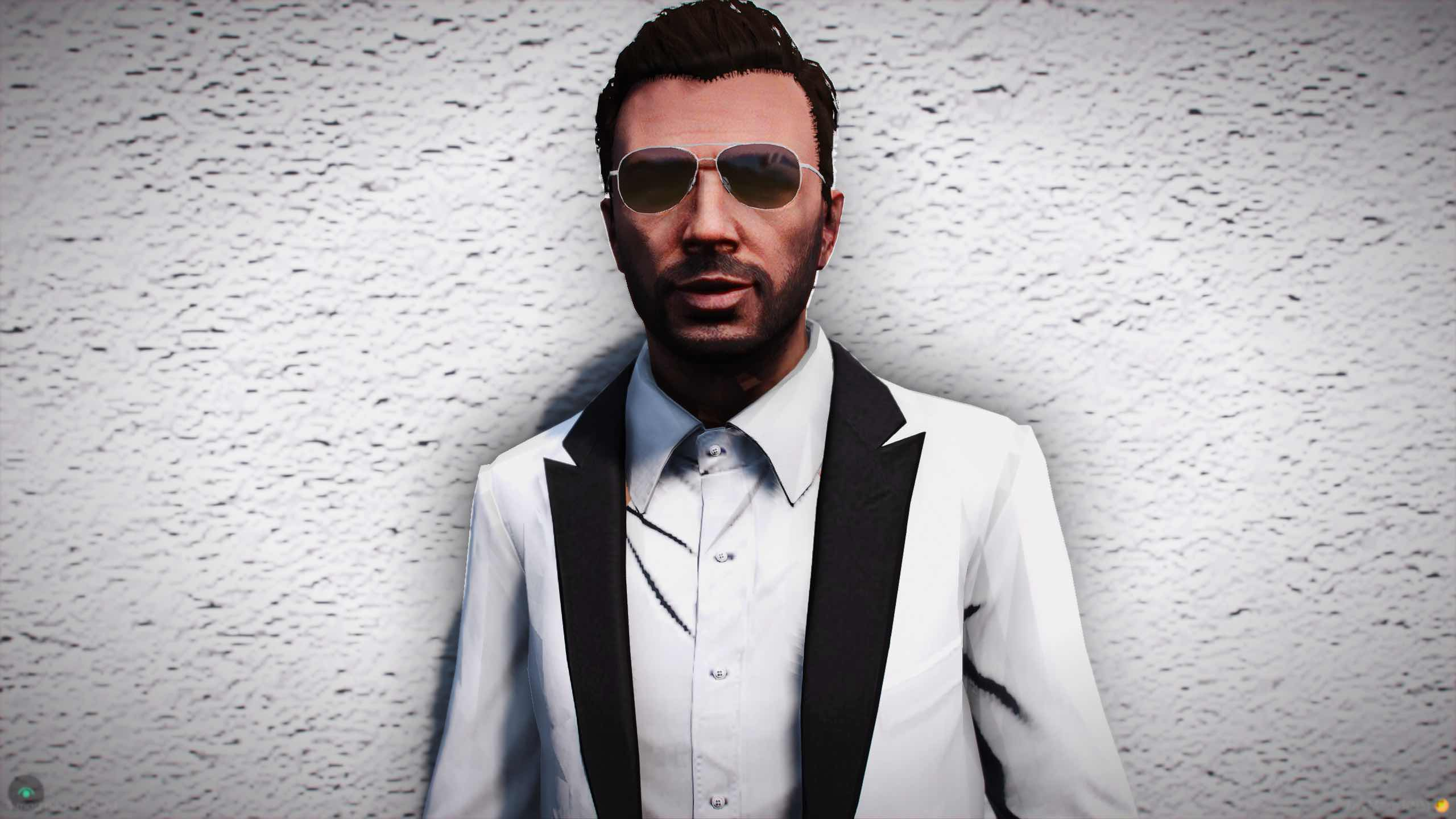
Dan Druff grew up with not much. Not the dramatic kind of poverty — the slow, daily kind, the kind where you sit at a kitchen table that has fewer chairs than people, and the food on the plate is the food that didn't sell yesterday.
The kid in the shop
He started lifting things from corner shops before he was old enough to be embarrassed about it. Bread. A tin of beans. A pie that was already past its date. He got good at it the way kids get good at the things they have to do — quietly, without telling anybody, without acting any different the next time he walked in his own front door.
Dinner was usually cold. Hot food costs gas.
The factory
At eighteen he found his first real job — a line in a factory, the kind that takes anybody who shows up and leaves the rest of you intact at the end of the shift if you're lucky. He took every hour they'd give him. He told himself the work was for his mum and dad.
For a while it was.
What he lost
He doesn't talk about how he lost them, and the part of this bio that matters is that he lost them. First one, then the other. The small flat got smaller. The shifts kept happening, but the reason for them stopped.
The years that followed are a stretch he describes, when he describes them at all, as gone. Not in metaphor. Gone. He was here for them and he was not here for them, and the part of him that was awake during them was on something most of the time.
He came out the other side eventually. Quitting wasn't a clean week. It was a long, ugly slope that he climbed mostly alone.
He climbed it.
The paperwork problem
He came back to a job market that wanted a piece of paper he hadn't been in any state to earn. No GCSEs. No reference. A gap on the CV the size of his twenties. The honest version of his story didn't fit on an application form, and the dishonest version didn't survive the first phone call.
So he wears the suit.
The suit, the gym, the routine
It's the same suit. He owns one. He wore it to the first interview and he's worn it to every one since, and at this point the suit knows him better than the people on the other side of the desk do. The shirt gets done in the sink. The jacket gets a brush every morning.
He hasn't had a proper wash in a week. He'll fix that the way he fixes most things — by paying for an off-peak gym membership and using the shower. The toilets too, when he has to. The lockers know him. Nobody looks twice.
He isn't proud of it. He isn't ashamed of it either. It's just the arrangement that exists between him and the city right now, and he intends for the arrangement to change.
What he wants
He wants to be a mechanic. He likes engines because engines are honest. You turn the bolt, the bolt turns. You fix the part, the part stays fixed. Engines never tell you the year doesn't count because of the gap.
He wants, after that, to be a businessman. Big. Real. The kind who would have hired somebody like him at nineteen and given that somebody the chance the system didn't.
He hasn't got there yet.
But he's wearing the suit.
Long-standing player biographies are written by staff to thank the people
who shape Obey. Suggest the next one in #wiki-suggestions on Discord.